Seven Reefer Sanitation Blind Spots U.S. Food Importers Cannot Afford to Overlook
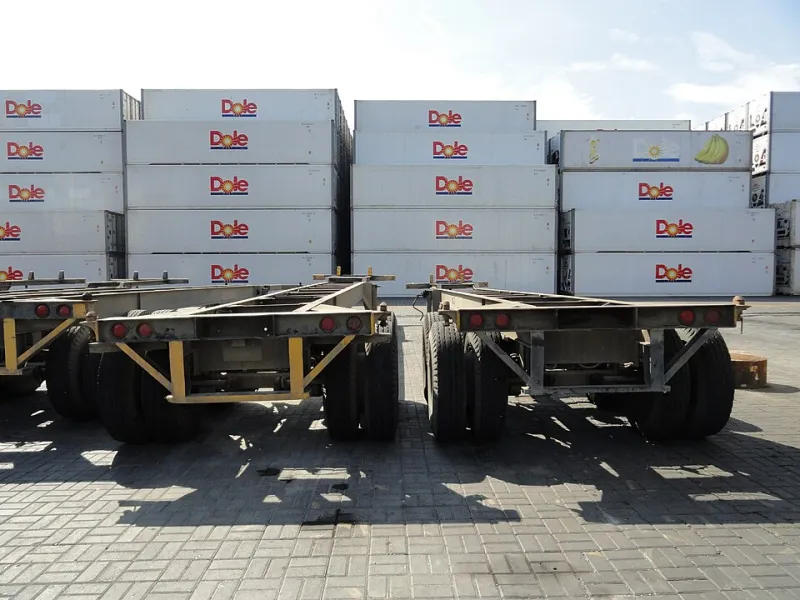
Photo: Karen Green from NYC, CC BY 2.0, via Wikimedia Commons
Temperature-controlled shipping is often described as a cold chain. That phrase implies continuity and control, but it can also create a false sense of security. A reefer container that holds the correct set point is not necessarily clean. The same insulation, airflow, and drainage systems that make temperature control possible also create places where moisture, residue, and microorganisms can accumulate beyond the reach of a standard wash.
For U.S. food and pharmaceutical importers, the distinction matters. An FDA inspection or customer audit does not stop at the thermostat. It looks at the condition of the equipment that touched the cargo. The following seven blind spots deserve a place in every reefer sanitation program.
1. Insulation and Panel Cavities
Reefer walls are not solid. They contain insulation and structural cavities that can absorb moisture from condensation, defrost cycles, and wash water. When that moisture persists, mold and bacteria can develop in places that a visual inspection of the interior liner will never reveal. Standard dry-van cleaning focuses on surfaces. Reefer cleaning must also consider what happens behind them.
2. Evaporator Coils and Air Chutes
The evaporator coil and air chute are the lungs of the reefer. They move conditioned air through the cargo space, and they are also excellent traps for dust, organic debris, and biofilm. A coil that is partially blocked may still maintain temperature while circulating contaminated air. Cleaning protocols that bypass the coil assembly leave a critical control point unaddressed.
3. Door Gaskets and Drainage Channels
Door gaskets compress against the frame to seal the cargo space. Their folds and crevices collect residue from previous loads, and they are difficult to clean without deliberate attention. Drainage channels present a similar problem. They are designed to move water away from the cargo, but they can also harbor standing water and organic matter that support microbial growth. A quick rinse is not a validated cleaning step.
4. T-Bar Floors and Subfloor Plenums
Reefer floors are typically designed with T-bar profiles that allow air to circulate beneath the cargo. Those channels improve temperature uniformity, but they also create a subfloor plenum where debris and moisture can collect. Standard dry-van floor cleaning often misses this geometry entirely. For food and pharmaceutical importers, the floor is not just a walking surface. It is an air distribution system and a potential reservoir.
5. Odor Absorption in Liners and Gaskets
Reefer liners, gaskets, and insulation materials can absorb volatile compounds from previous cargo. A container that hauled aromatic goods may retain odors that are invisible to the eye but unacceptable for sensitive food or pharmaceutical loads. Temperature control does not neutralize odor. Cleaning protocols should include an odor assessment and, where necessary, a validated deodorization step rather than a masking agent.
6. Defrost Water and Condensate Traps
Reefer units produce condensate during normal operation. That water is supposed to drain away, but traps and pans can retain standing water between trips. Standing water is a microbial risk, and it can also become a source of cross-contamination when air moves across the unit. Cleaning should verify that condensate paths are clear, dry, and free of biofilm.
7. Cleaning Verification and Recordkeeping
Many reefer cleaning programs end with a visual check and a signature. That is not verification. A defensible program uses documented procedures, trained personnel, and objective checks such as ATP swabs or other rapid indicators where appropriate. It also retains records that link the cleaning event to the container, the date, the method, and the person responsible. Without that linkage, an importer cannot demonstrate due diligence when an inspection goes wrong.
Building a Reefer-Specific Playbook
A practical playbook begins with a pre-cleaning inspection that separates structural defects from sanitation defects. A damaged gasket or a compromised panel should be referred for repair, not cleaned and returned to service. The cleaning method itself should be validated for reefer geometry, including coil access, floor channels, and drainage paths. Industrial steam cleaning can be effective for many surfaces because it reaches crevices and reduces reliance on chemical residue, but it must be applied with temperature and dwell time controls that are appropriate for the equipment.
Drying is the next critical step. A reefer that is cleaned but not dried can create the very moisture conditions the cleaning was meant to eliminate. After drying, a verification step should confirm visual cleanliness, odor acceptability, and equipment function. The container should then be sealed and documented before it moves to the next load.
Finally, importers should qualify their cleaning providers the same way they qualify any other critical supplier. Ask for procedures, training records, verification data, and corrective action examples. A reefer sanitation program is only as strong as its weakest documented step.
The Bottom Line
Reefer containers deserve a sanitation protocol that reflects their actual design. The seven blind spots above are not theoretical. They are the places where temperature-controlled shipping and hygiene intersect, and where U.S. importers face avoidable inspection risk. A specialized playbook closes those gaps before the next FDA inspection or customer audit exposes them.