Dockside Wisdom: What Twenty Years of Watching Containers Leave America Taught Us About First Shipment Mistakes
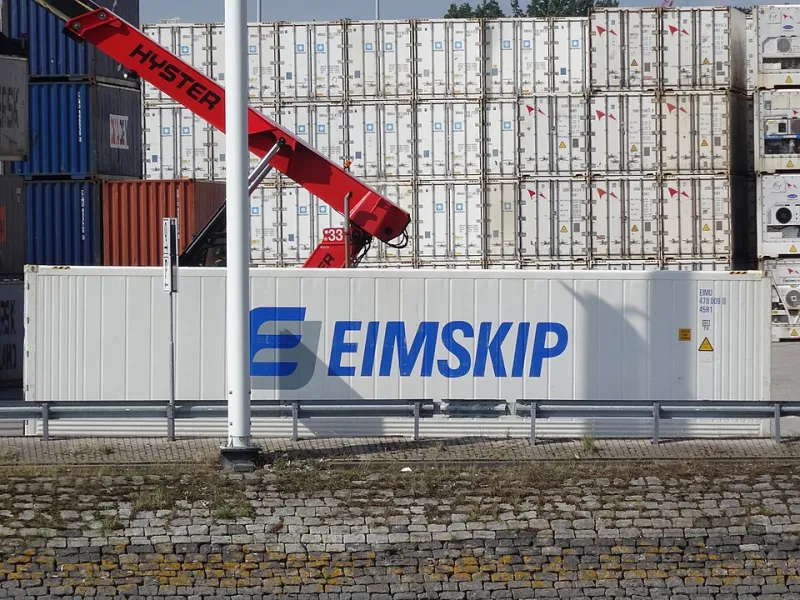
Photo: AgainErick, CC BY-SA 4.0, via Wikimedia Commons
Every veteran longshoreman in Long Beach can spot a first-time exporter from across the terminal. It isn't the paperwork — though that's usually a giveaway too. It's the way a company treats the small, unwritten details of international shipping as if they were optional. They aren't. What follows is a field guide assembled from conversations with the people who actually keep American freight moving: the brokers, forwarders, and dock crews who see the consequences of inexperience every single morning.
Rule One: The Container You Get Is Not Always the Container You Need
Carriers will hand you whatever box is available unless you specify otherwise. A unit that hauled road salt last month may look serviceable on the outside while carrying residue that contaminates your food-grade or pharmaceutical cargo. Insist on a clean, inspected container — and in practice, that means verifying sanitation yourself rather than trusting the equipment interchange receipt. Independent steam cleaning and documented certification cost a fraction of a rejected shipment.
Rule Two: Your Bill of Lading Is a Legal Document, Not a Formality
Brokers will tell you the fastest way to lose a week is a careless description of goods. Vague commodity descriptions trigger customs holds, and a hold at a congested port doesn't wait politely in line — it accumulates demurrage by the day. Match your BOL language exactly to your commercial invoice, down to units of measure.
Rule Three: Weight Declarations Have Consequences
Since the Verified Gross Mass requirements took hold, guessing at cargo weight is no longer a harmless shortcut. An inaccurate VGM can mean a container that never leaves the yard. Invest in calibrated scales or a certified weighing service, and build the cost into your first quote rather than discovering it after the fact.
Rule Four: The Dock Has Its Own Etiquette
Drivers who arrive outside their appointment windows, loaders who block lanes, and shippers who treat terminal staff as obstacles all develop reputations quickly — and reputations follow you through the drayage community. A carrier that deprioritizes your freight because your facility is difficult to work with is a carrier you'll never be able to blame on paper.
Rule Five: Moisture Is the Silent Killer of First Voyages
Newcomers pack cargo, close the doors, and assume the journey is sealed. Veterans know that a trans-Pacific crossing subjects a container to temperature swings that condense gallons of water onto cargo and walls. Desiccants, proper ventilation strategy, and dry, pre-cleaned containers are not upsells — they are the difference between goods that arrive and goods that arrive ruined.
Rule Six: Documentation Doesn't End When the Doors Close
Photograph the loaded container. Record seal numbers. Keep cleaning and inspection certificates with your shipment file. When a dispute arises — and on a long enough timeline, one will — the exporters who recover their losses are the ones who can prove the condition of their cargo at every handoff.
Rule Seven: Your First Shipment Sets Your Second in Motion
Overseas buyers judge American suppliers on the first delivery. A clean container, accurate paperwork, and goods that arrive in promised condition do more for a new export relationship than any sales pitch. Treat shipment number one as a demonstration, not a trial run.
The Common Thread
Notice what these rules have in common: none of them appear in a freight quote. They live in the accumulated experience of the people who work the docks. The good news is that experience can be borrowed — through seasoned freight forwarders, certified sanitation partners, and customs brokers who earn their fees. The exporters who thrive are not the ones who avoid mistakes by luck. They're the ones who learn the unwritten rules before the ocean teaches them the hard way.