The Container Floor: The Hidden Compliance Cost Beneath Every U.S. Import
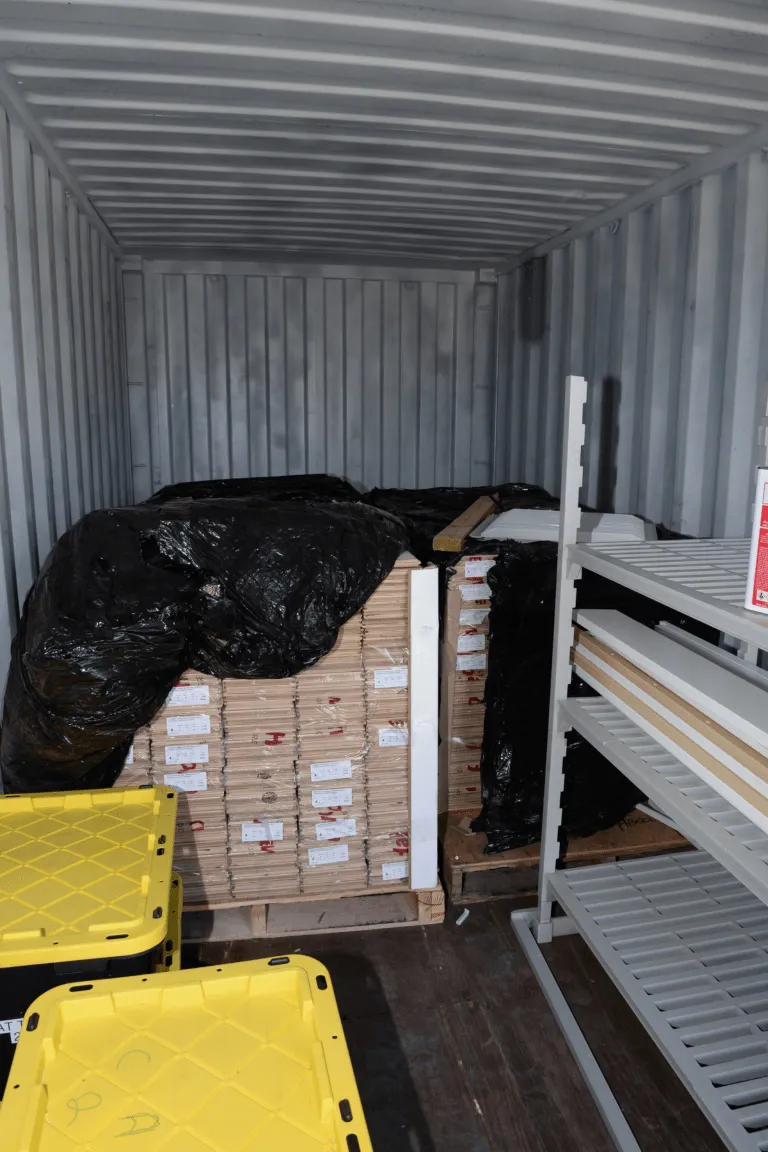
Photo: Federal Bureau of Investigation, Public domain, via Wikimedia Commons
When an importer audits a container, the eye naturally goes to the walls, the ceiling, and the door seals. Those are the surfaces that show stains, dents, and obvious residue. The floor is different. It is walked on, loaded against, and often assumed to be clean because it looks dry. That assumption is expensive. Wooden container floors are porous, repaired over time, and exposed to moisture throughout their service life. They are also in direct contact with cargo. For U.S. importers, the floor is the forgotten frontier of container compliance.
Why the Floor Deserves More Scrutiny
A container floor is not a simple sheet of plywood. It is a structural assembly designed to carry heavy loads, and it often contains joints, patches, and repairs. Each of those features can become a point of entry for moisture. Once moisture is inside the wood, it creates conditions for bacteria, mold, and pest activity that are difficult to detect from the surface.
Customs and agricultural inspectors understand this. A floor that appears intact may still show signs of moisture staining, delamination, or debris in the joints. Those signs can justify a hold, a more intrusive examination, or a rejection. The cost is not limited to the inspection itself. It includes demurrage, storage, rework, missed delivery windows, and the administrative burden of resolving a compliance action.
What ISPM 15 Does and Does Not Cover
ISPM 15 is often mentioned in the same breath as container flooring, but the two are not interchangeable. The standard addresses solid wood packaging material—pallets, crates, and dunnage—used in international trade. It is designed to reduce the risk of pest movement through that packaging. It does not certify the internal cleanliness of a container floor, and a visible ISPM 15 mark on packaging says nothing about the hygiene of the floor beneath it.
That distinction matters for importers who assume that a compliant pallet solves the problem. It does not. The container floor is part of the equipment, not the packaging. Its condition is a separate variable that should be assessed separately.
The Cost of Overlooking the Floor
Floor-related compliance failures are rarely dramatic, which is why they are easy to underestimate. A shipment may be held for a routine examination and then delayed because an inspector observes moisture damage or debris in the floor channels. The cargo may be perfectly sound, but the equipment condition creates doubt. In a just-in-time supply chain, even a short hold can cascade into production downtime or retail stockouts.
There is also a commercial cost that does not appear on a customs invoice. A customer who receives a load after a contamination scare may request additional documentation or shift volume to a competitor. The reputational damage is difficult to quantify, but it is real. Floor remediation is cheaper than the alternative.
Steam Cleaning and Sealing as Remediation
Wooden floors respond well to methods that combine heat, moisture control, and mechanical action. Industrial steam cleaning can penetrate porous surfaces and lift residue from joints and repairs without saturating the wood. When applied with appropriate dwell time and followed by controlled drying, it can reduce microbial load and remove the organic material that supports pest activity.
Sealing is the logical next step. A compatible sealant can create a barrier that reduces moisture absorption and makes future cleaning more effective. The key is compatibility. Not every sealant is suitable for every floor assembly, and a sealant applied over a damp floor can trap moisture rather than exclude it. The process should be validated, documented, and repeated on a schedule that reflects the container's service history.
A Practical Floor Protocol for Importers
A defensible floor protocol begins with inspection. Look for staining, delamination, soft spots, and debris in the joints. A moisture meter can provide an objective reading that a visual check cannot. If the floor is structurally compromised, it should be referred for repair rather than cleaned and returned to service.
The cleaning step should be matched to the floor type and the residue present. Steam cleaning is effective for many organic soils, but it should be followed by drying and verification. The sealing step should be documented with the product used, the application date, and the conditions under which it was applied. Finally, the container should be photographed and the record linked to the shipment. That record is the importer's evidence of due diligence if an inspection question arises.
The Efficiency Case
Floor remediation is not a glamorous investment. It does not have the visibility of a new tracking platform or a redesigned packaging line. It does, however, address a risk that sits directly beneath every load. For U.S. importers, the efficiency case is straightforward: a clean, sealed floor reduces the likelihood of holds, extends the useful life of the container, and supports a credible compliance story. The floor is not the whole supply chain, but it is a cost-effective place to start.