The Human Factor: Why Expert-Led Logistics Solutions Outperform Automated Systems in Complex Global Supply Chains
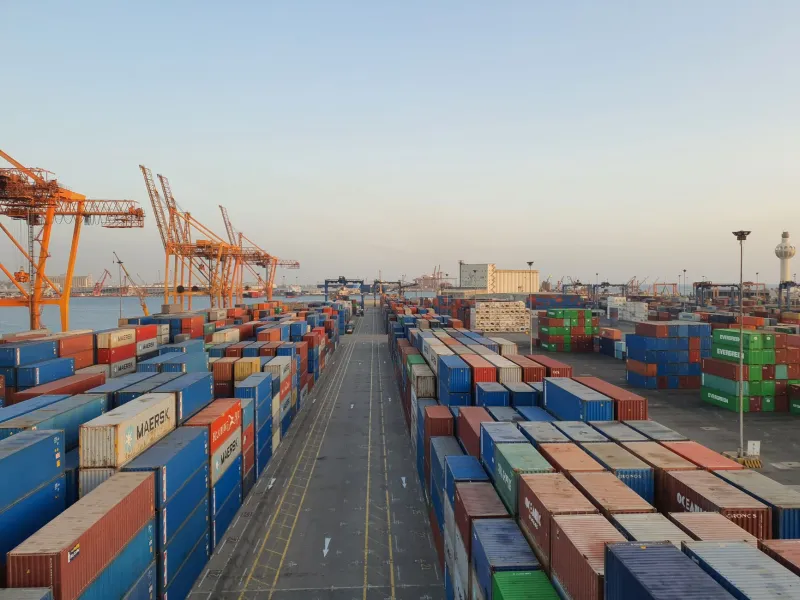
In an era defined by algorithmic routing, AI-driven demand forecasting, and automated customs documentation, it is tempting to conclude that the future of global logistics belongs entirely to machines. Yet for American companies managing high-stakes freight across multiple international corridors, that conclusion arrives far too quickly. The professionals who design, oversee, and refine these systems — individuals who bring years of field experience, client insight, and adaptive thinking — remain the decisive variable in supply chain performance.
At SteamIt Global, we have observed this dynamic play out across hundreds of client engagements. Technology sets the stage. People determine the outcome.
What Automation Gets Right — and Where It Falls Short
Automated logistics platforms have delivered genuine value to US importers and exporters. Route optimization software reduces fuel costs and transit times. Digital documentation systems accelerate customs clearance. Real-time tracking dashboards give operations teams visibility that was unimaginable a decade ago.
But automation is, by design, a system built on precedent. It processes known variables and executes within defined parameters. The global freight environment, however, does not operate on precedent. Port congestion surges overnight. Regulatory thresholds shift without warning. A single contaminated container can trigger an FDA inspection cascade that no algorithm predicted or prepared for.
In these moments — the moments that genuinely determine whether a shipment succeeds or a client relationship survives — human judgment is not a supplement to the system. It is the system.
The Expertise Premium in Industrial Services and Freight Management
Consider the specific demands of industrial freight cleaning and container sanitation, a critical but often underestimated component of international supply chain management. Automated cleaning systems can execute pre-programmed steam cycles with precision. They can log temperature readings, document treatment durations, and generate compliance certificates.
What they cannot do is recognize when a container's interior condition falls outside the parameters the system was designed to evaluate. An experienced technician or logistics consultant, by contrast, can assess residual contamination risk based on cargo history, prior route exposure, and destination-market regulatory standards — and adjust treatment protocols accordingly.
For US companies shipping food products, pharmaceuticals, or industrial components into tightly regulated markets, this distinction is not academic. It is the difference between a cleared shipment and a rejected one, between a retained client and a lost contract.
Relationship Intelligence as a Competitive Asset
Beyond technical execution, human professionals in global logistics carry a form of intelligence that no platform can replicate: relationship capital. Long-standing connections with port authorities, customs brokers, foreign freight handlers, and regional regulatory contacts create pathways that automated systems simply do not have access to.
For American manufacturers and distributors operating in markets where informal communication channels matter as much as formal documentation, these relationships translate directly into operational outcomes. A trusted contact at a key transshipment hub can flag an emerging inspection policy before it becomes a compliance crisis. A seasoned freight consultant can negotiate container positioning that protects cargo integrity in ways that no booking algorithm is programmed to prioritize.
This is relationship intelligence — accumulated over years of direct engagement — and it functions as a competitive asset for clients who understand its value.
Building Teams That Amplify Technology, Not Replace It
The most effective logistics operations in the current environment are not choosing between human expertise and technological capability. They are investing deliberately in both, and structuring their teams to ensure that each amplifies the other.
Experienced supply chain professionals who understand how to interrogate data outputs, challenge algorithmic recommendations, and override automated decisions when field conditions warrant it are becoming among the most strategically valuable people in any logistics organization. Their ability to translate complex operational realities into client-facing guidance — and to translate client priorities back into operational instructions — creates a layer of service quality that software alone cannot deliver.
US companies that recognize this dynamic are structuring their logistics partnerships accordingly. They are not simply evaluating vendors on platform capability or price per container. They are asking who, specifically, will be managing their account — and what that person brings to the relationship beyond a login credential.
What US Clients Should Demand From Their Logistics Partners
For American importers and exporters evaluating global logistics providers, the human factor deserves explicit attention in the vendor selection process. Several questions are worth asking directly:
Who is the dedicated point of contact for my account, and what is their background? A provider that cannot answer this question with specificity is likely offering a platform, not a partnership.
How does your team handle exceptions? Routine shipments reveal little about a logistics partner's true capability. How a team responds to port delays, regulatory challenges, or unexpected cargo conditions reveals everything.
What is the experience level of the personnel overseeing industrial services at key origin and destination points? For freight involving specialized cleaning, sanitation, or temperature management protocols, the qualifications of on-the-ground personnel are directly relevant to compliance outcomes.
How does your team communicate with clients during active disruptions? Communication quality during a crisis is a reliable proxy for operational quality overall.
The SteamIt Global Commitment
At SteamIt Global, our operating philosophy reflects a straightforward conviction: the most sophisticated logistics infrastructure in the world performs only as well as the professionals who manage it. We invest in experienced personnel not because technology is insufficient, but because the clients we serve — US manufacturers, distributors, and freight managers operating in demanding international environments — deserve both.
Our teams bring deep knowledge of industrial cleaning standards, international compliance frameworks, and the specific freight challenges that affect American companies across sectors. They work alongside our technological platforms, not in spite of them, to deliver outcomes that a system operating alone could not achieve.
Moving the world requires more than optimized routing and automated documentation. It requires people who understand what is at stake — and who take personal ownership of delivering excellence on every shipment, every time.
The human factor is not a legacy feature of global logistics. It is its most enduring competitive advantage.