Beyond Rules of Origin: Why Container Hygiene Belongs in the 2026 USMCA Review
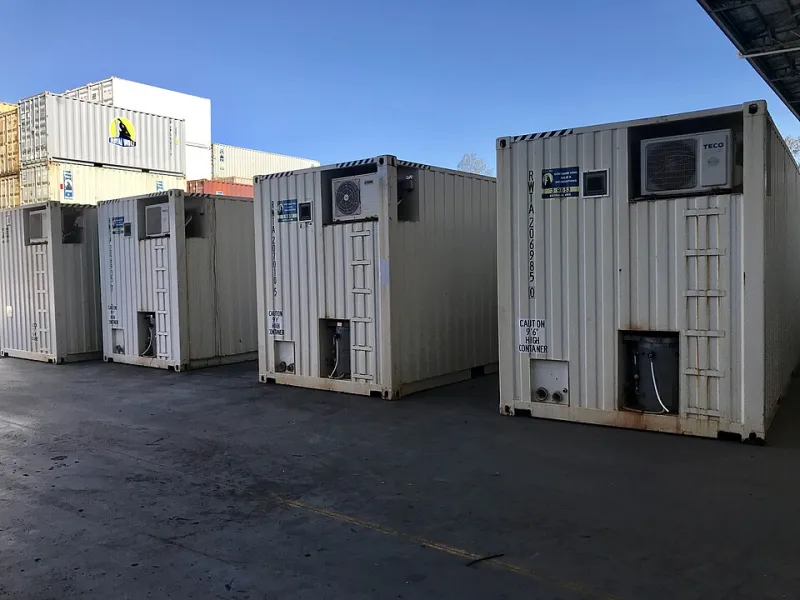
Photo: Kgbo, CC BY-SA 4.0, via Wikimedia Commons
The 2026 joint review of the United States-Mexico-Canada Agreement has produced a familiar roster of priorities. Rules of origin, labor enforcement, digital trade, and agricultural market access have all received attention from negotiators and trade associations. Conspicuously absent from the public conversation is a less glamorous but equally practical variable: the sanitation standard of the containers that carry goods across the U.S.-Mexico border every day.
For American importers, container hygiene is not a housekeeping matter. It is an operational and reputational risk that surfaces at the worst possible moment—during a customs examination, an FDA inspection, or a customer audit. The review process now underway offers a rare opportunity to treat cross-border cleaning protocols as part of trade facilitation rather than an afterthought.
The Gap Between Trade Rules and Freight Reality
Trade agreements are designed to reduce friction at the border. They address tariffs, origin documentation, and regulatory coherence. They rarely address the physical condition of the vessel in which goods travel. That gap matters because a container that is structurally sound but biologically compromised can trigger holds, rework, and rejection just as surely as a documentation error.
On the U.S.-Mexico corridor, the problem is compounded by volume and speed. Cross-border freight moves quickly, often through congested ports of entry and interchange yards where inspection time is limited. When cleaning standards differ between jurisdictions—or when they are simply undefined—importers inherit the uncertainty. A container that passes one inspection point may fail another, not because the cargo changed but because the evaluator applied a different expectation.
Why the Status Quo Favors Nobody
The current approach is not a free-market triumph. It is an inconsistent patchwork of carrier practices, third-party vendor standards, and importer-specific requirements. Some shippers demand detailed cleaning records. Others accept a visual check and a signature. The result is a system in which good operators bear costs that poor operators avoid, and in which inspectors have little basis for mutual recognition.
This is not an argument for new bureaucracy. It is an argument for interoperability. A clean container clause would not require every jurisdiction to adopt identical procedures. It would establish a common baseline for what counts as clean, how cleaning is validated, and how records are exchanged. That baseline would reduce duplicate inspections, shorten dispute resolution, and give importers a clearer standard against which to qualify suppliers.
What a Clean Container Clause Could Look Like
A workable clause would begin with a shared definition of container cleanliness for dry vans and reefer equipment. It would recognize validated cleaning methods, including industrial steam cleaning where appropriate, rather than prescribing a single vendor or chemical. It would require digital documentation that travels with the container or is accessible through a shared portal. And it would create a risk-based inspection framework so that verified, low-risk shipments face fewer physical examinations.
Mutual recognition is the key. If an accredited cleaning provider in one country meets the agreed standard, the receiving jurisdiction should be able to rely on that verification rather than repeat it. This is not a novel concept in trade facilitation. It is the same logic that underpins trusted trader programs and pre-clearance arrangements. Extending that logic to container sanitation would be a modest step with measurable operational benefits.
The clause should also be explicit about what it does not do. It should not replace food safety regulation, customs enforcement, or importer due diligence. It should not create a safe harbor for contaminated cargo. It should simply establish a common language for cleaning verification so that legitimate shipments are not delayed by ambiguity.
The Importer's Role in the Review
American importers should not wait for negotiators to discover this issue on their own. Trade associations, customs brokers, and shipper councils can document the cost of inconsistent cleaning expectations: the holds, the rework, the demurrage, and the customer complaints that follow a rejected load. Those data points are more persuasive than abstract arguments.
Importers can also ask for a pilot program on a high-volume corridor. A voluntary mutual recognition pilot would allow customs authorities and accredited providers to test documentation exchange and inspection outcomes without committing to a full treaty amendment. The 2026 review provides a natural deadline and a public forum for that conversation.
A Practical Opportunity
The USMCA review will not solve every supply chain problem. It can, however, address a narrow but consequential gap between trade policy and freight reality. Container sanitation is not a peripheral concern for American importers. It is part of the physical infrastructure of trade. Putting it on the agenda in 2026 would be a signal that the review is serious about facilitation, not just rules on paper.